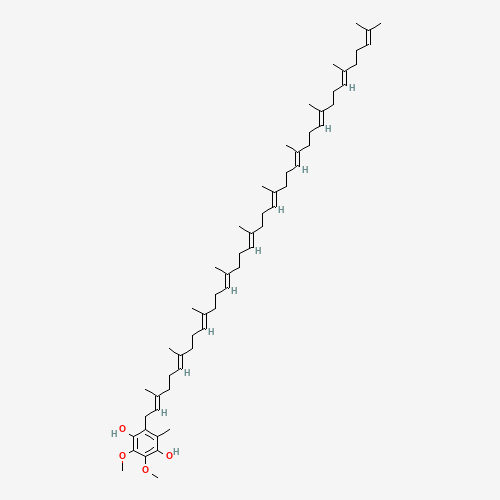
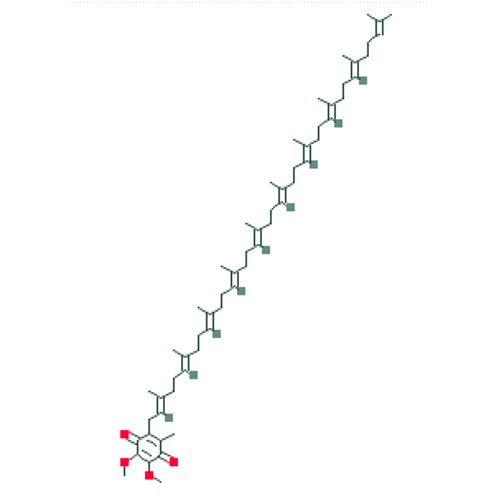
Ubiquinol
AKA “reduced coenzyme Q10, Ubiquinone hydroquinone, 1, 4-Benzenediol, 2-[(2E, 6E, 10E, 14E, 18E, 22E, 26E, 30E, 34E)-3, 7, 11, 15, 19, 23, 27, 31, 35, 39-decamethyl-2, 6, 10, 14, 18, 22, 26, 30, 34, 38-tetracontadecaen-1-yl]-5, 6-dimethoxy-3-methyl-, M9NL0C577Y, 2-((2E, 38-tetracontadecaen-1-yl)-5, 39-decamethyltetraconta-2, 38-decaenyl]-5, 6-dimethoxy-3-methylbenzene-1, 4-diol, CHEBI:17976, CoQH2, reduced ubiquinone”
Humectant
Tap what applies — every card instantly flags it for you. Stays on your device, syncs if you're signed in.
Ingredient Facts
Ubiquinol
AKA: Reduced coenzyme Q10, Ubiquinone hydroquinone, 1, 4-Benzenediol, 2-[(2E, 6E, 10E, 14E, 18E, 22E, 26E, 30E, 34E)-3, 7, 11, 15, 19, 23, 27, 31, 35, 39-decamethyl-2, 6, 10, 14, 18, 22, 26, 30, 34, 38-tetracontadecaen-1-yl]-5, 6-dimethoxy-3-methyl-, M9NL0C577Y, 2-((2E, 38-tetracontadecaen-1-yl)-5, 39-decamethyltetraconta-2, 38-decaenyl]-5, 6-dimethoxy-3-methylbenzene-1, 4-diol, CHEBI:17976, CoQH2, Reduced ubiquinone
Humectant · Antioxidant · EWG: 1
Synthetic
Antioxidant
Humectant
Skin Conditioner
Barrier Support
Clean
Ubiquinol (CoQH2) is a reduced form of coenzyme Q10 (CoQ10) that acts as an active antioxidant that prevents the initiation and propagation of lipid peroxidation in biological membranes and human low-density lipoprotein (LDL). It plays an essential role in maintaining cellular defense against oxidative damage and also sustains the effects of vitamin E by regenerating the vitamin from the tocopheroxyl radical, but ubiquinol is not classified as a vitamin because it is synthesized by humans. There are varying concentrations of ubiquinol in foods, OTC products and dietary supplement products.
Formula
C59H92O4
Mol. Weight
865.40
CAS #
56275-39-9
Form
Liquid
State
Solid
See origin →
Functions
Antioxidant
Fights free radicals — the unstable molecules from UV, pollution, and stress that break down collagen and cause premature aging.
Humectant
A moisture magnet. Pulls water from the air and deeper skin layers up to the surface to keep skin plump and hydrated.
Skin Conditioning
A catch-all term for ingredients that improve how skin looks and feels — softer, smoother, more supple. The workhorse behind most moisturizers.
Skin Protecting
Helps rebuild and strengthen your skin barrier — the invisible shield that keeps moisture in and irritants out. Essential after over-exfoliating or harsh weather.
Nourishes & Protects
Locks In Moisture
Traditional Use
The reduced form of Coenzyme Q10, discovered in 1957. Ubiquinol emerged in skincare in the 1990s-2000s as an antioxidant based on research showing it supports cellular energy production and may reduce the appearance of wrinkles, with no traditional use history.
Skin Types
●all-skin-types
Best For
Sun Damage
Pregnancy & Breastfeeding Safe
Yes
EWG
1
CIR
Safe as used
Pregnancy
Yes
Restricted By
CIR Safety Findings
medical-approval
all-shades-safe
Regulatory Agencies
3 Piece Classic Suncare Travel Set
COOLA
calm & clarify duo
Cocokind
ceramide hydration duo
Cocokind
Smooth + Sculpt Set
Grown Alchemist
Day SPF 30 & Night Eye Cream
COOLA
Everyday Radiance Essentials
Bloom Effects
Soft Focus Blurring Blush
ILIA Beauty
The Ethereal Baked Face Palette
ILIA Beauty
Power Duo
Grown Alchemist
Radiance Reset
Bloom Effects
Refreshing Water Plumping Gel Serum
COOLA
retinol face + body duo
Cocokind
rise + shine trio
Cocokind
Slip Tint™ Undetectable Baked Setting Powder
Saie
Invigorate Hand Wash
Credo Beauty
Rejuvenating Night Oil / Extra Healing
Marie Veronique
Advanced Protection Cream
OSEA
Chebula Multi-Corrective Eye Patches
True Botanicals
Alpine Rich Cream
Ursa Major
Suncare Travel Essentials Set
COOLA
The Body Tool
Nécessaire
The Body Treatment Duo
Nécessaire
MakeWaves® Lash Curler
Tower 28 Beauty
GoGo Cooling Shimmer Eyeshadow
Tower 28 Beauty
MakeWaves® Mascara
Tower 28 Beauty
Swipe Serum Concealer®
Tower 28 Beauty
travel-size calming magnesium mist
Cocokind
youthful duo
Cocokind
Verified Jun 2026
Data: PubChem · CosIng · EWG · CIR