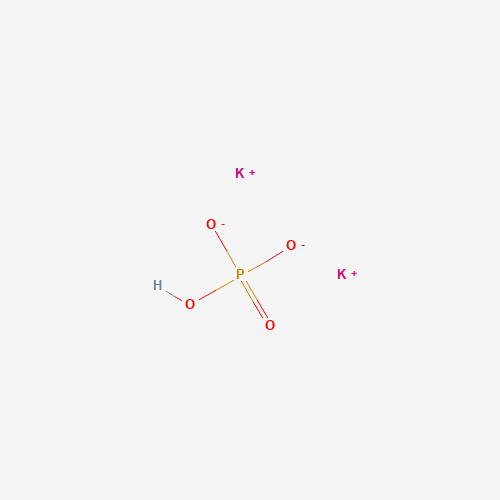
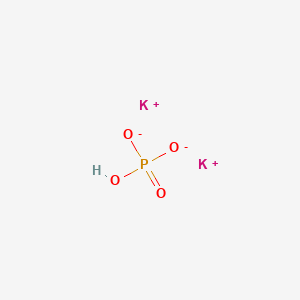
Dipotassium Phosphate
AKA “7758-11-4, Dipotassium hydrogen phosphate, Potassium phosphate dibasic, Dipotassium hydrogenphosphate, Dibasic potassium phosphate, Potassium phosphate, dibasic, Phosphoric acid, dipotassium salt, Potassium dibasic phosphate, Dipotassium monophosphate
Ingredient
Make this about you

Tap what applies — every card instantly flags it for you. Stays on your device, syncs if you're signed in.

Ingredient Facts
Dipotassium phosphate
AKA: 7758-11-4, Dipotassium hydrogen phosphate, Potassium phosphate dibasic, Dipotassium hydrogenphosphate, Dibasic potassium phosphate, Dibasic, Phosphoric acid, Dipotassium salt, Potassium dibasic phosphate, Dipotassium monophosphate
Ingredient · Anticorrosive · EWG: 1
Synthetic
Clean
Dipotassium hydrogenorthophosphate
Solubility Freely soluble in water. Insoluble in ethanol
Formula
HK2O4P
Mol. Weight
174.18
CAS #
7758-11-4
Form
Powder
State
Pellets or Large Crystals; Liquid, Other Solid; Dry Powder; Liquid
See origin →
Functions
Anticorrosive
Buffering
Prevents Corrosion
Stabilizes pH
Antioxidant Protection
Reduces Inflammation
Locks In Moisture
Prevents product degradation
Maintains optimal pH
Traditional Use
A mineral salt developed for use in cosmetics as a pH buffer and chelating agent in the mid-20th century. Also used historically in food preservation and industrial applications.
Skin Types
all-skin-types
Best For
General
Pregnancy & Breastfeeding Safe
Yes
EWG
1
CIR
Safe as used
Pregnancy
Yes
CIR Safety Findings
Not a Sensitizer
medical-approval
all-shades-safe
Regulatory Status
USApermitted
EUrestricted
JAPANrestricted
CANADArestricted
Verified Jun 2026
Data: PubChem · CosIng · EWG · CIR